We serve as a last-resort organization, supporting trustees, courts, and local agencies in their efforts to stabilize housing for Indiana families facing eviction, foreclosure, or homelessness. When traditional systems reach their limits, we step in to provide critical support and prevent families from falling deeper into crisis.
Our goal is to intervene at the most urgent moments—when an eviction has been filed, a mortgage payment has fallen behind, or a family is already living in a hotel, car, or temporary situation. In these moments, timely assistance can mean the difference between stability and complete housing loss.
The need across Indiana is significant. Over the past 12 months, there have been more than 71,000 eviction filings statewide, with a 9% eviction filing rate among the state’s 814,000 renter households. At the same time, rising housing costs and financial hardship continue to impact homeowners, leaving many at risk of foreclosure when unexpected expenses or income loss occur. For both renters and homeowners, a single missed payment can quickly escalate into displacement. [news.iu.edu] [iacir.spea...lis.iu.edu]
The consequences are far-reaching. On any given night, thousands of Hoosiers are experiencing homelessness, including nearly 4,860 individuals counted across 91 counties, with increasing trends in many regions. This number does not include families living in hotels, motels, or doubled-up situations, meaning the true scope of housing instability is significantly higher. These “hidden homeless” families are often one step away from entering the shelter system. [in.gov] [neuac.org]
For families with children, the stakes are even higher. In Indiana, there are currently over 11,800 children in foster care, many connected to circumstances rooted in poverty, housing instability, or unsafe living environments. When families lose housing—whether through eviction or foreclosure—children are at increased risk of entering the system, creating long-term emotional and developmental impacts. [liheapch.ncat.org]
Housing instability also strains entire communities. Evictions and foreclosures are linked to increased reliance on emergency systems and can contribute to cycles of poverty and acts of desperation as families struggle to survive without stable shelter. Without intervention, these situations often escalate—turning temporary hardship into long-term homelessness. [utilitydis...ctions.org]
This is where your support becomes life-changing.
By giving the gift of housing, you help prevent evictions and foreclosures, keep families out of hotels and shelters, and ensure children can remain safely with their families. Your support provides a critical safety net when all other resources have been exhausted—helping Indiana families stay housed, stable, and hopeful.
Together, we can bridge the gap that existing systems cannot fully cover—and ensure every Hoosier family has a safe place to call home.
For more information, please visit the following resources:

We serve as a last-resort organization, supporting township trustees, the Energy Assistance Program (EAP), and other local partners in their efforts to keep Indiana families safely connected to essential utilities. However, even with these programs in place, the need far exceeds available resources—and too many Hoosier families are left without help.
Our goal is to step in when all other options have been exhausted—when a family has already used EAP, reached the limits of township assistance, and other resources yet still faces disconnection. In these moments, immediate support can mean the difference between stability and crisis.
The data across Indiana makes the need clear. In a recent year, more than 122,000 households received heating assistance and 46,480 households required crisis intervention through LIHEAP/EAP. Yet the number of eligible households far exceeds those served—over 650,000 Indiana households qualify for assistance, but only a fraction receive help in any given year. In fact, only about 14% of eligible households were served, leaving hundreds of thousands of families without support. [liheapch.acf.gov] [neuac.org], [neuac.org] [neuac.org]
Even when assistance is received, it is often not enough. EAP benefits typically range from $100 to $625 for heating, with crisis assistance capped around $800, covering only a portion of annual energy costs. By design, the program is a one-time annual benefit, meaning families must still find a way to manage the remaining balance on their own. [liheapch.acf.gov] [in.gov]
The consequences of this gap are serious and immediate. In Indiana and across the U.S., millions of households face utility shut-offs each year, with nearly 3 million disconnections occurring annually nationwide. For families already struggling, this can trigger a rapid downward spiral. Without electricity or heat, homes become unsafe—food cannot be stored, medications cannot be refrigerated, and critical medical devices may stop functioning. As a result, families are often forced into impossible choices, with 38% of low-income households reporting they went without food or medicine just to pay energy bills, and 26% unable to pay their bill at least once in a year. [utilitydis...ctions.org], [news.iu.edu] [energyjust...ndiana.edu] [neuac.org]
For many families, a utility shut-off is not just a temporary hardship—it is the tipping point that can lead to eviction, homelessness, or dangerous living conditions and crime of desperation.
This is where donors make an immediate and measurable impact.
By giving the gift of energy, you help close the gap for Indiana families who have nowhere else to turn. Your support keeps lights on, homes heated in the winter and cooled in the summer, and children and seniors safe. Most importantly, it prevents small financial setbacks from becoming life-altering crises.
Together, we can bridge the gap that existing programs cannot fully cover—and ensure no Indiana family is left in the dark.
For more information, please visit the following resources:

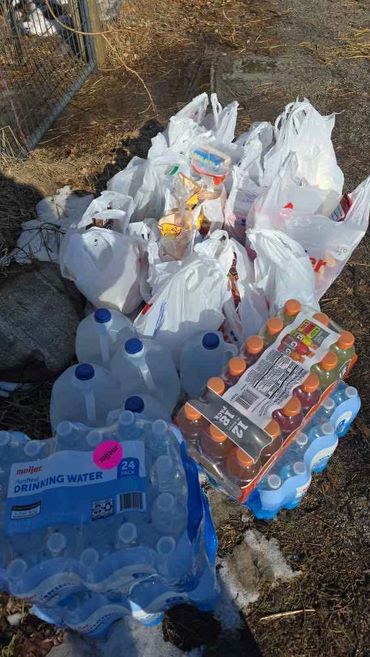
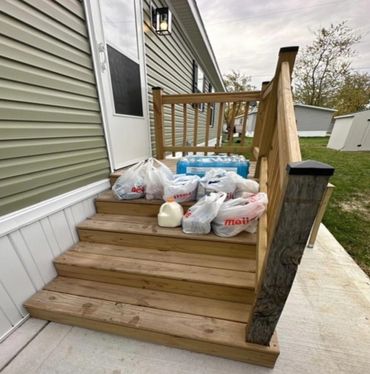
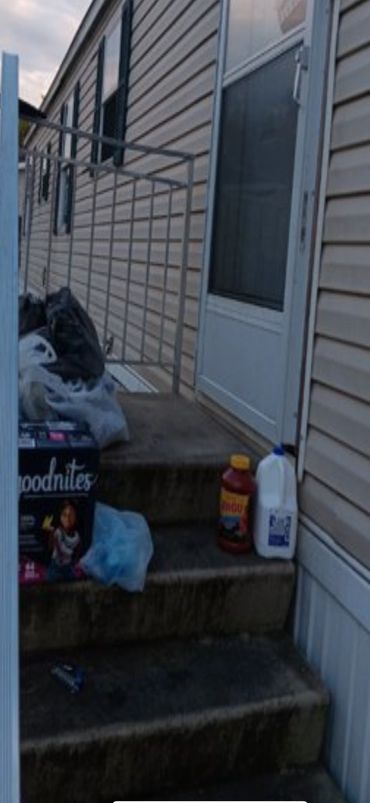
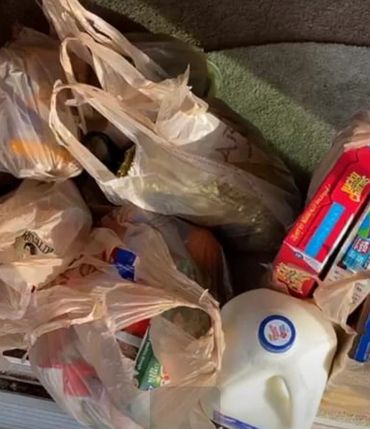
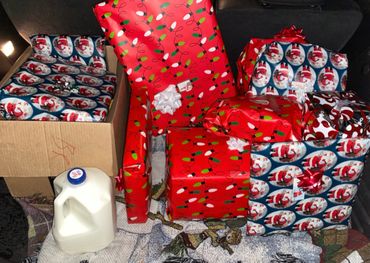
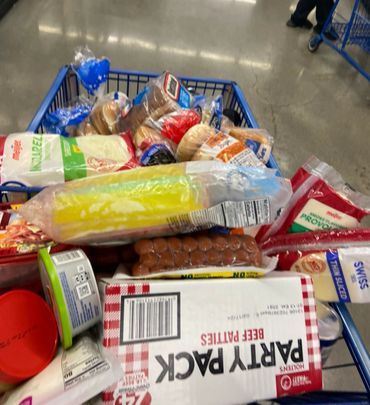
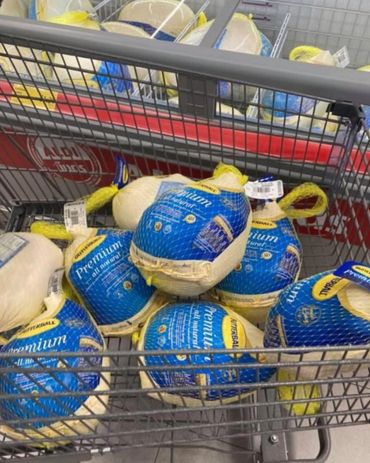
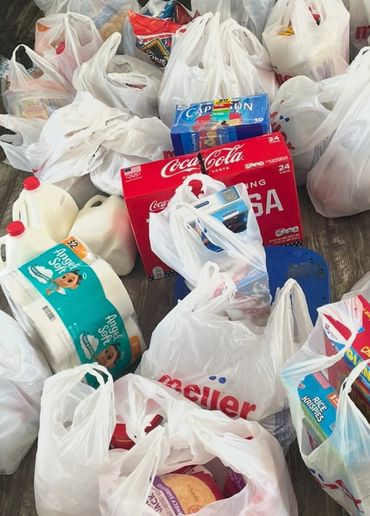
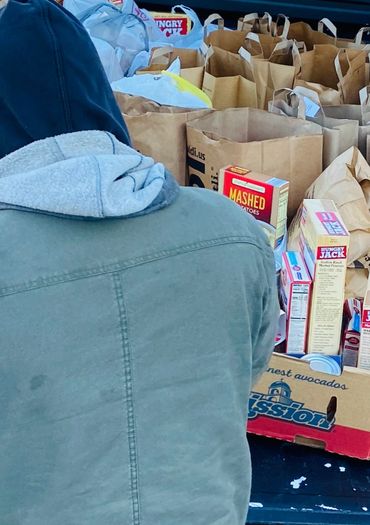
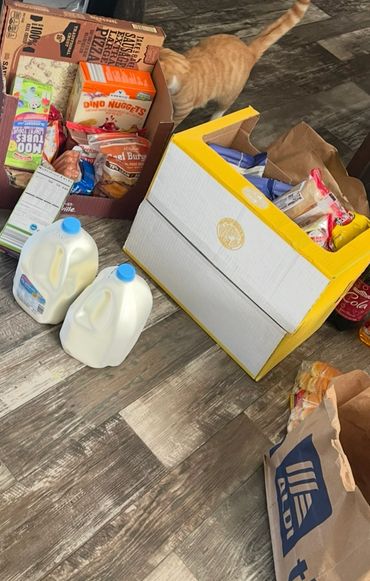
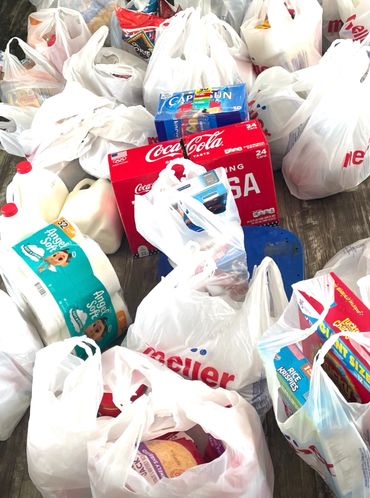
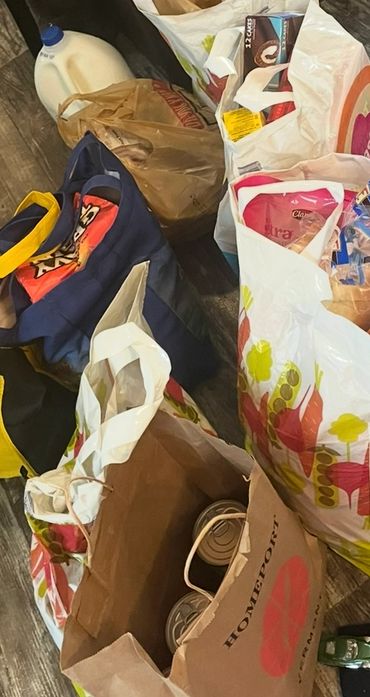
We serve as a last-resort organization, supporting food pantries, community programs, and local agencies in their efforts to ensure Indiana families have access to nutritious food. Yet even with these systems in place, the need continues to grow—and too many Hoosiers are still going without.
Our goal is to step in when other resources are not enough—when families have exhausted SNAP benefits, visited pantries, and still face empty cupboards. In these moments, immediate support can mean the difference between nourishment and hunger.
The need across Indiana is staggering. More than 1,033,000 Hoosiers are food insecure, including nearly 293,000 children—meaning 1 in 7 people and 1 in 5 children face hunger every year. Food insecurity continues to rise, surpassing 1 million people in 2023, the highest level in years. Overall, the statewide food insecurity rate is approximately 15.1%, showing that this crisis affects families in every county. [feedingamerica.org] [gleaners.org] [map.feedin...merica.org]
Even with assistance programs, gaps remain. While SNAP helps more than 609,000 Hoosiers put food on the table, it is often not enough to meet monthly needs. In fact, 56% of food-insecure individuals in Indiana do not qualify for SNAP, leaving over half without access to federal food assistance. At the same time, charitable efforts, while vital, cannot meet the demand alone. [frac.org] [gleaners.org]
The impact is seen every day in our communities. Food banks like Gleaners distributed more than 97 million meals in a single year, while still reporting record-breaking demand and serving tens of thousands of households monthly. Families are stretching meals, skipping meals, or making difficult choices between food and other essentials. [gleaners.org]
The consequences of hunger go far beyond the dinner table. Food insecurity is directly linked to higher rates of chronic illness, including diabetes, which already costs Indiana billions in healthcare expenses. Hunger also impacts children’s ability to learn, concentrate, and grow—creating long-term effects on education, health, and economic stability. Many families are forced into impossible decisions: whether to buy groceries, pay rent, or afford medication. [bread.org] [policyinst...ute.iu.edu]
This is where your support makes an immediate and measurable impact.
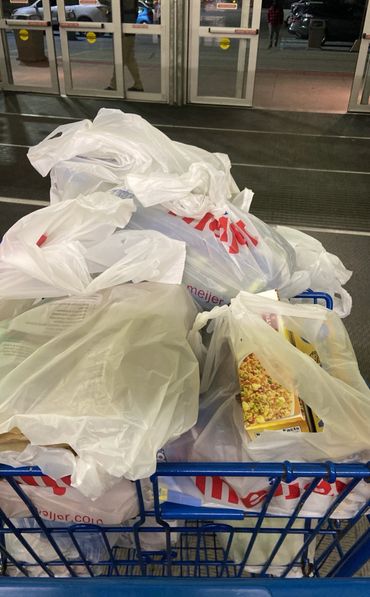
By giving the gift of food, you help close the gap for Indiana families who are doing everything they can—and still falling short. Your support ensures children don’t go to bed hungry, seniors don’t have to choose between food and medicine, and working families can regain stability during difficult times.
Together, we can bridge the gap that existing systems cannot fully cover—and ensure no Hoosier goes hungry.
For more information, please visit the following resources:

We serve as a last-resort organization, working alongside township trustees, social service agencies, and community partners to ensure Indiana families can access the resources available to them. However, one of the most overlooked barriers is not the lack of programs—it is the lack of transportation to reach them.
Our goal is to step in when families are ready to seek help but cannot physically get there. Many assistance programs—including township trustee support, housing aid, workforce programs, and other essential services—require scheduled, in-person applications and interviews. In Indiana, individuals must typically schedule an appointment and complete an in-person interview with a trustee before assistance can be approved. Without transportation, these requirements create an impossible barrier. [in.gov], [stjohntown...rustee.com]
The need across Indiana is significant. In some communities, the reality is stark—approximately 30,000 households in Marion County alone do not have a vehicle, limiting access to jobs, healthcare, food, and assistance programs. Across the U.S. and reflected in Indiana trends, nearly 1 in 4 low-income households do not have access to a vehicle, compared to just 5% of higher-income households. [tri-cap.net] [heat.gov]
Even for families who do own a vehicle, access is often limited. Many Indiana households rely on one shared vehicle, meaning when one partner is at work, the rest of the household is left without transportation—often during the exact hours when trustee appointments, benefit interviews, and job-related services are scheduled.
Transportation costs also place a heavy burden on families. In Indiana, transportation can consume around 16% of a household’s total budget, yet there is still a 53% gap between what low-income families can afford and the true cost of reliable transportation. This leaves thousands of Hoosiers unable to maintain dependable access to a vehicle or alternative transportation. [energyjust...ndiana.edu]
The consequences are immediate and far-reaching. Across the U.S., nearly 1 in 5 adults experience transportation insecurity, making it one of the most common forms of hardship. Additionally, 5.7% of adults report lacking reliable transportation for daily living, preventing them from getting to appointments, work, or essential services. Each year, millions miss or delay critical services—including assistance programs—not because they don’t qualify, but because they cannot physically get there. [kleinmanen....upenn.edu] [neada.org] [news.iu.edu]
For Indiana families in crisis, this creates a devastating gap. Trustees and agencies are ready to help, but individuals cannot complete applications, attend required in-person interviews, or receive aid without transportation. The result is that families remain stuck in instability—not due to lack of effort, but lack of access.
This is where your support makes the difference.
By giving the gift of transportation, you help bridge the gap between available resources and real access. Your support ensures families can attend trustee appointments, complete required interviews, access assistance programs, and take steps toward stability.
Together, we can remove transportation as a barrier—and ensure every Indiana family has a fair opportunity to receive the help they need.


We use cookies to analyze website traffic and optimize your website experience. By accepting our use of cookies, your data will be aggregated with all other user data.